Why Cheap or Incorrect Sensors Can Create Expensive Problems Later

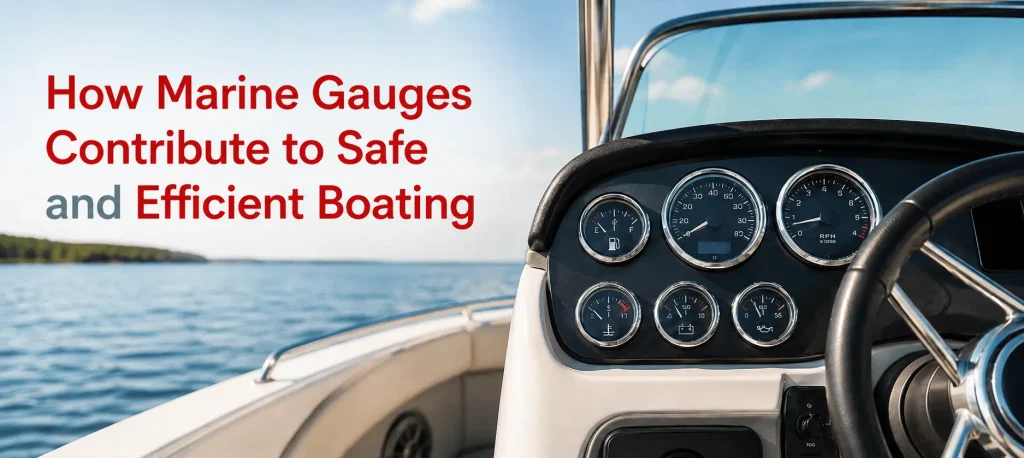
How Marine Gauges Contribute to Safe and Efficient Boating
June 26, 2026
Understanding the Importance of Electrical Gauges in Marine Operations
July 10, 2026
You know that uneasy feeling when a gauge shows something that doesn’t quite make sense?
The fuel level says you’re fine, but your gut says otherwise. The temperature reading looks normal, but the engine doesn’t sound happy. The gauge needle jumps around like it’s had too much coffee.
At first, it’s easy to blame the gauge.
But often, the real problem starts somewhere smaller.
The sender. The sensor. That little part doing the quiet work behind the scenes.
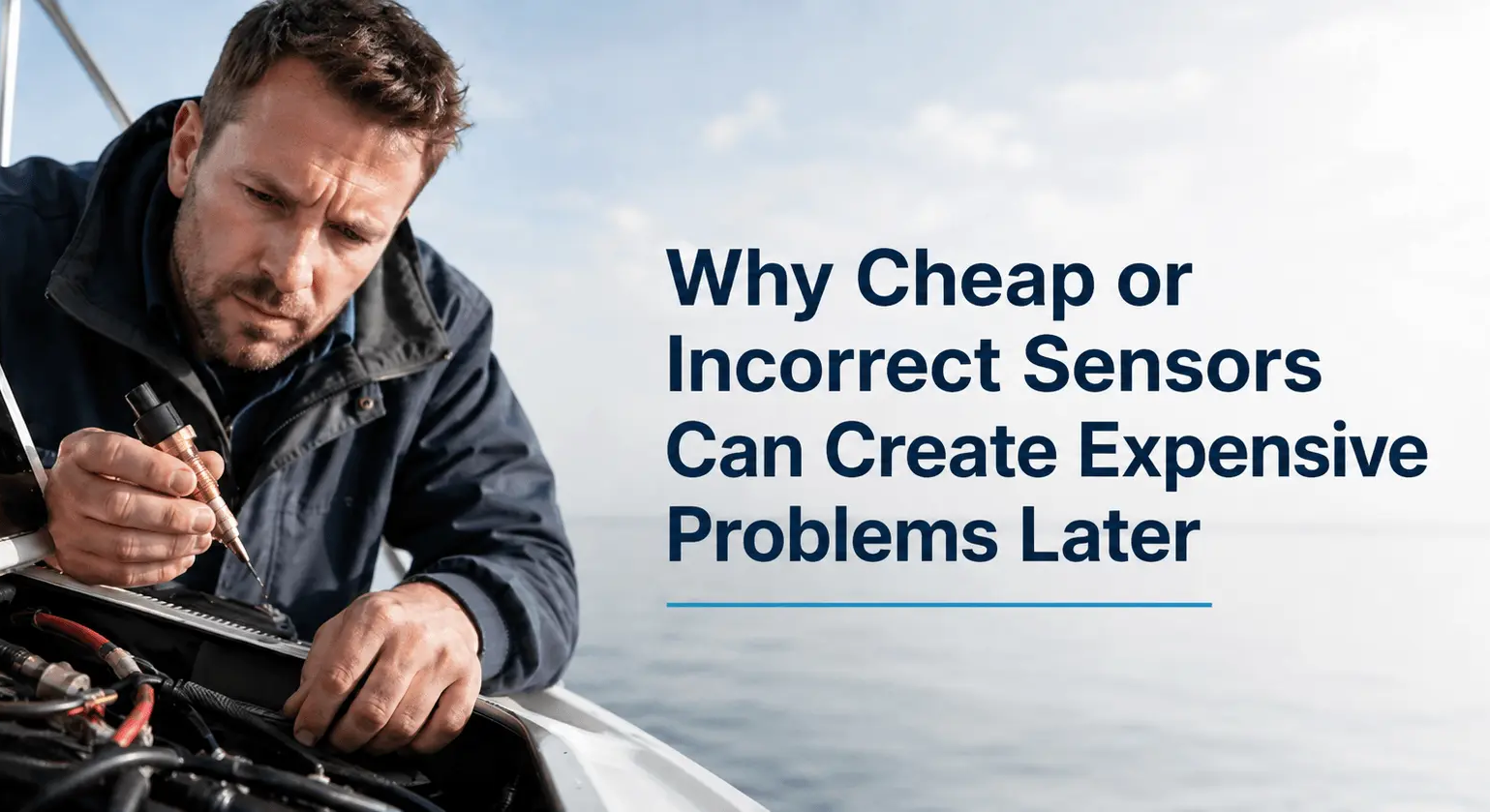
And honestly, this is where a lot of boat owners and operators try to save a bit of money. A cheaper sensor looks tempting. A “close enough” replacement feels convenient. Maybe it fits. Maybe the wires connect. Maybe it even works for a while.
But here’s the thing.
A sensor that gives the wrong information can end up costing far more than the part you were trying to save money on.
Table of Contents
- Introduction
- Sensors Are Small Parts With Big Responsibility
- The Real Cost Isn’t the Sensor. It’s the Bad Decision After It
- “It Fits” Doesn’t Always Mean “It’s Right”
- Cheap Sensors Can Struggle in Harsh Marine Conditions
- Incorrect Readings Can Lead to Unnecessary Repairs
- Downtime Is Often More Expensive Than the Part
- The Right Sensor Helps You Trust the Whole System
- What to Check Before Buying a Sender or Sensor
- Why Veethree Senders and Sensors Are Worth Choosing
- Final Thought
Sensors Are Small Parts With Big Responsibility
A sender or sensor doesn’t look dramatic. It’s not the shiny gauge on the dash. It doesn’t make noise. It doesn’t feel like the heart of the system.
But it’s the messenger.
It tells your gauge what’s happening with fuel, pressure, temperature, speed, or other important functions. If that message is wrong, your gauge can only repeat the wrong story.
Think about it this way.
If someone gives you the wrong weather report, you’ll dress for the wrong day. Same idea here, except instead of carrying a jacket you didn’t need, you might be pushing a boat, engine, or system into a problem you could’ve avoided.
That’s why the right marine sender or sensor matters so much.
The Real Cost Isn’t the Sensor. It’s the Bad Decision After It
A cheap or incorrect sensor doesn’t always fail loudly.
That would almost be easier.
Sometimes it fails quietly. It gives slightly wrong readings. Just enough to mislead you. Just enough to make you think everything’s okay.
And that’s where the expensive problems start.
A fuel sender that doesn’t match your gauge might show more fuel than you actually have. A temperature sensor that isn’t reading properly might hide an overheating issue. A pressure reading that’s off could make you ignore a developing fault.
One wrong reading can lead to one wrong decision.
And on the water, wrong decisions get expensive fast.
“It Fits” Doesn’t Always Mean “It’s Right”
This is a big one.
Just because a sensor physically fits doesn’t mean it’s compatible.
Fuel level senders, for example, can come in different resistance ranges. If the sender and gauge don’t match, the reading can be wrong even when the part is brand new. So you might install it, tighten everything up, feel good about the job… and still end up with a gauge that lies to you.
That’s frustrating.
And it wastes time.
The better approach is simple: match the sender or sensor to the gauge and application from the start. Check the specifications. Check the resistance range. Check the environment it’s going into. Don’t guess.
Guessing is cheap in the moment.
Correcting the guess later usually isn’t.
Cheap Sensors Can Struggle in Harsh Marine Conditions
Marine environments are not gentle.
There’s vibration. Salt air. Moisture. Heat. Cold. Movement. Long idle periods followed by hard use. Everything gets tested eventually.
A low-quality sensor might seem fine when it’s first installed. But after weeks or months of real use, weak materials, poor sealing, or inconsistent performance can start showing up.
And it rarely happens at a convenient time.
Not while the boat is sitting safely at home.
Usually, it happens when you actually need the system to work.
That’s why durability isn’t just a nice feature. It’s peace of mind. A reliable sender or sensor helps your gauge give steady, accurate readings so you can trust what you’re seeing instead of second-guessing every needle movement.
Incorrect Readings Can Lead to Unnecessary Repairs
Here’s another annoying part.
Bad sensor readings don’t just hide real problems. They can also create fake ones.
A faulty sender might make it look like there’s an issue with the gauge, wiring, tank, engine, or another system. Then suddenly you’re chasing the wrong problem.
You replace one thing. Then another. Then you call someone in. Then the boat is out of action.
All because the original sensor wasn’t right.
That’s the kind of problem that doesn’t just cost money. It costs weekends. Jobs. Trips. Time on the water. And maybe it’s just me, but that kind of wasted time hurts even more because it feels so avoidable.
Downtime Is Often More Expensive Than the Part
For marine engineers, boat owners, and operators, downtime can be the real bill.
A boat that can’t be used is a problem. A job delayed because a reading can’t be trusted is a problem. A customer waiting because a system needs to be checked again is a problem.
And all of it can start with one small component that wasn’t suitable for the job.
That’s why buying the cheapest sender or sensor isn’t always saving money. Sometimes it’s just moving the cost into the future, where it shows up bigger, messier, and much harder to ignore.
The Right Sensor Helps You Trust the Whole System
A good gauge setup is only as strong as the information feeding it.
When the sender or sensor is correct, compatible, and built for the environment, the whole system becomes easier to trust. You’re not staring at the dash wondering whether the reading is real. You’re not making decisions based on guesswork.
You just know what’s happening.
That’s the whole point.
Reliable readings help you monitor your boat properly, spot issues earlier, and keep things running safely and efficiently.
What to Check Before Buying a Sender or Sensor
Before replacing or upgrading a sensor, slow down for a minute. Seriously. That one minute can save you a lot of trouble later.
Check:
- The gauge compatibility
- The correct resistance range or signal type
- The application, such as fuel, GPS, temperature, pressure, or another function
- The installation requirements
- The cable length and connection type
- Whether the product is suitable for marine conditions
- The quality and reliability of the brand
And if you’re not sure, ask before buying.
There’s no shame in checking. There’s a lot of pain in assuming.
Why Veethree Senders and Sensors Are Worth Choosing
Veethree senders and sensors are made for people who need dependable readings, not guesswork.
They’re designed to work with marine gauges, support accurate monitoring, and handle challenging marine environments. Whether you’re replacing a fuel level sender, choosing a GPS receiver, or looking for a sensor that works properly with your gauge setup, the goal is the same.
Get the right reading.
Because when your instruments are telling the truth, you can make better decisions.
And better decisions usually mean fewer expensive surprises later.
Final Thought
Cheap parts can look like a saving at first.
But when it comes to senders and sensors, the real value is in accuracy, compatibility, and reliability. These small components help protect much bigger systems. They help you notice problems before they grow. They help you trust your gauges when it matters.
So before choosing the lowest-cost option or grabbing a sensor that seems “close enough,” take a step back.
Make sure it’s the right part.
Your future self — the one not stuck diagnosing strange readings or paying for avoidable repairs — will be very glad you did.
Looking for dependable marine senders and sensors in New Zealand?Explore Veethree’s range of senders and sensors built for accurate readings, reliable performance, and tough marine use.