Marine Gauges That Boost Safety and Reliability at Sea
November 12, 2024
Why Digital Gauges Are Complementing Mechanical Gauges in Marine Monitoring?
November 22, 2024
Monitoring a vessel’s performance has come a long way. Gone are the days when you had to rely solely on mechanical dials and guesswork.
Today, electrical gauges are revolutionising how we track essential metrics, providing precision and real-time insights that are critical for modern marine operations.
Whether you’re managing a large commercial fleet or a single vessel, electrical gauges give you a clearer picture of your vessel’s health. They ensure you’re always a step ahead, enhancing safety and efficiency. Let’s dive into why these tools are indispensable for vessel monitoring in today’s world.
What Makes Electrical Gauges Essential?
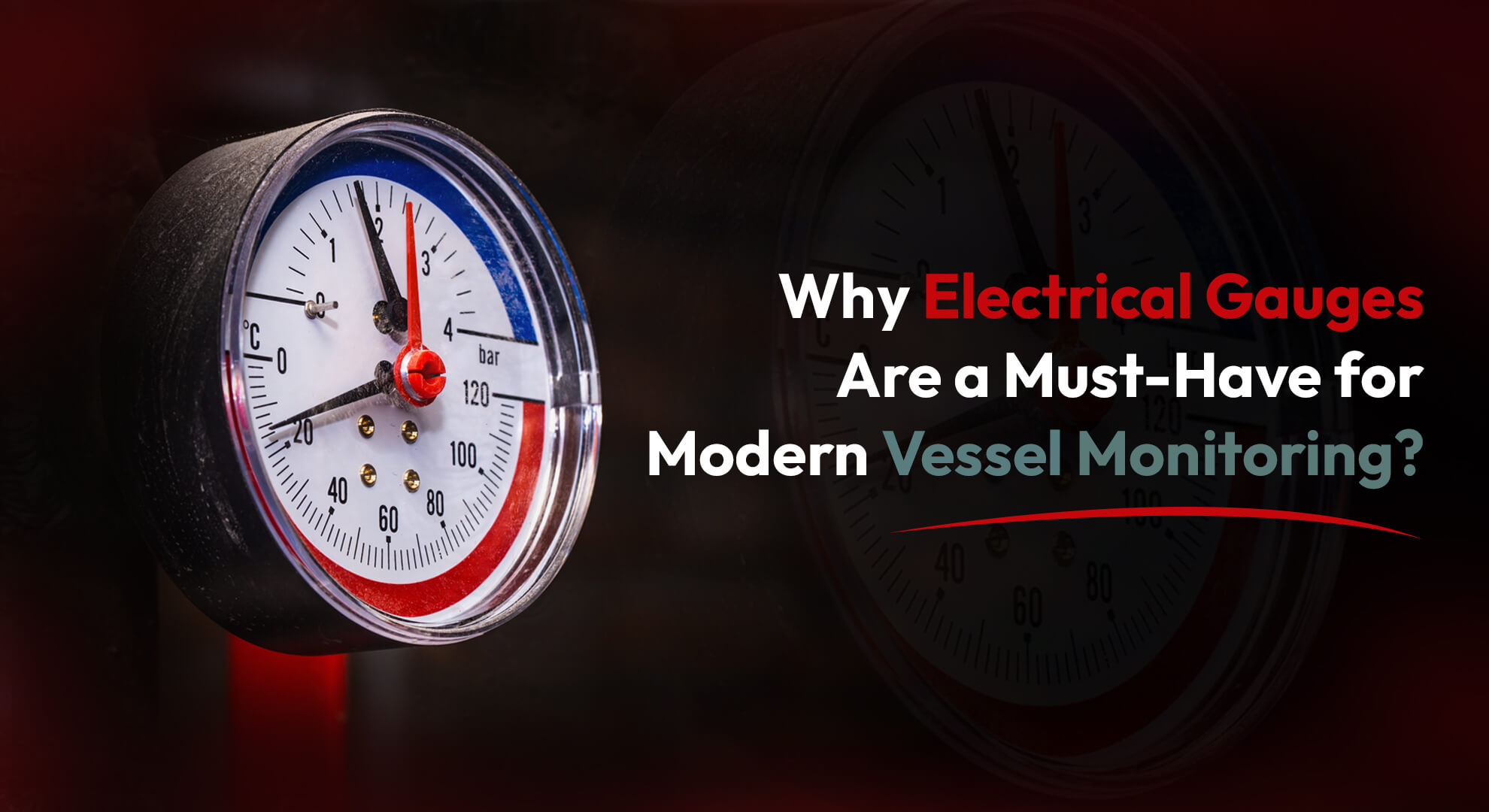
Electrical gauges are designed to provide accurate, real-time data on critical systems like fuel levels, engine temperature, and battery voltage. Here’s why they’ve become a must-have for modern vessels:
High Precision and Accuracy
One of the biggest advantages of electrical gauges is their superior accuracy. Unlike mechanical gauges, which rely on physical components like springs and gears, electrical gauges use sensors to measure parameters and convert them into precise readings.
- Why It Matters: Accurate data is essential for making informed decisions. Whether you’re monitoring fuel levels or engine performance, you need precise information to optimise your operations.
Real-Time Data Monitoring
Electrical gauges provide instantaneous updates, allowing you to monitor your vessel’s performance in real-time. This is crucial for identifying issues early and making quick adjustments.
- Example: If your engine temperature starts to rise, an electrical gauge can alert you immediately, giving you time to reduce speed or check the cooling system.
Enhanced Readability
Most electrical gauges come with digital displays, making it easy to read data even in low-light conditions. This is a game-changer compared to traditional analogue dials, which can be hard to interpret, especially in rough seas.
- Why It Matters: Clear, easy-to-read data reduces the chances of misinterpretation, ensuring you make the right decisions quickly.
Key Benefits of Electrical Gauges for Vessel Monitoring
Early Warning Systems
Electrical gauges often come equipped with built-in alarms and alerts. These features notify you when a reading goes beyond safe limits, allowing you to address potential issues before they escalate.
- Example: A low oil pressure alert can help you avoid engine damage by prompting immediate action.
Data Logging for Better Analysis
Many modern electrical gauges offer data logging capabilities, allowing you to track performance trends over time. This feature is especially useful for fleet managers who need to monitor multiple vessels.
- Why It Matters: Historical data helps you identify patterns and optimise your vessel’s performance, ultimately reducing costs and improving efficiency.
Integration with Other Systems
Electrical gauges can be integrated with other onboard systems, such as GPS and navigation tools. This allows for a more comprehensive monitoring setup, giving you a complete view of your vessel’s performance.
- Why It Matters: Seamless integration enhances your ability to manage multiple systems from a central point, simplifying operations and improving oversight.
Reliability in Harsh Conditions
Marine environments are tough, with constant exposure to saltwater, vibrations, and temperature fluctuations. Electrical gauges are designed to withstand these challenges, ensuring reliable performance even in the harshest conditions.
- Why It Matters: Reliable gauges mean fewer breakdowns and more peace of mind on the water.
Electrical vs. Mechanical Gauges: Why Make the Switch?
You might be wondering, “Are electrical gauges really that much better than mechanical ones?” The short answer is yes. Here’s a quick comparison to highlight the differences:
Accuracy- Electrical Gauges: Offer precise measurements with minimal margin for error.
- Mechanical Gauges: Can become less accurate over time due to wear and tear.
- Electrical Gauges: Digital displays and alerts make them user-friendly.
- Mechanical Gauges: Require more attention to interpret readings, especially in low light.
- Electrical Gauges: Built to withstand harsh marine environments with less maintenance.
- Mechanical Gauges: More susceptible to damage from vibrations and corrosion.
- Electrical Gauges: Require occasional recalibration but generally have fewer moving parts to maintain.
- Mechanical Gauges: Need regular servicing to ensure accuracy.
Long-Term Benefits of Electrical Gauges for Vessel Monitoring
Investing in electrical gauges goes beyond immediate performance improvements. These devices offer long-term advantages that can significantly enhance the safety, efficiency, and reliability of your vessel operations. Let’s explore how these gauges continue to deliver value over time.
1. Improved Operational EfficiencyOne of the biggest long-term benefits of electrical gauges is their ability to optimise vessel operations. With precise, real-time data, you can fine-tune your systems to run more efficiently.
For instance, by closely monitoring fuel consumption, you can identify ways to reduce waste, saving money on fuel over the long haul.
- Example: Using data from your electrical fuel gauge, you might discover that operating at slightly lower RPMs reduces fuel consumption without sacrificing speed.
Electrical gauges equipped with data logging and alert systems help you plan maintenance more effectively.
Instead of relying on time-based maintenance schedules, you can perform maintenance based on actual usage and system conditions.
- Why It Matters: This approach, often called condition-based maintenance, minimises unnecessary downtime and extends the lifespan of your vessel’s components.
Vessels equipped with advanced monitoring systems, including electrical gauges, often have higher resale values. Potential buyers see these features as indicators of a well-maintained, modern vessel.
- Pro Tip: Keep detailed records of your gauge data and maintenance logs to demonstrate the health and reliability of your vessel to potential buyers.
Safety is a top priority in marine operations, especially for commercial vessels carrying valuable cargo or large crews. Electrical gauges provide early warnings for potential hazards, such as engine overheating or low oil pressure, helping you avoid dangerous situations.
- Why It Matters: Early intervention can prevent accidents, ensuring the safety of everyone onboard and protecting your cargo.
In many regions, including New Zealand, vessels must meet strict safety and performance standards. Electrical gauges help you stay compliant by providing accurate, up-to-date information on your vessel’s critical systems.
- Why It Matters: Staying compliant not only avoids fines but also ensures that your vessel is operating within safe limits.
How to Choose the Right Electrical Gauges for Your Vessel?
Selecting the right gauges is crucial for maximising the benefits of your monitoring system. Here’s what to consider:
Identify Key Metrics to Monitor
Different vessels have different monitoring needs. Start by identifying the most critical metrics for your operations. For most vessels, these include fuel levels, engine temperature, oil pressure, and battery voltage.
Tip: If your vessel operates in harsh conditions or handles heavy cargo, you might also want gauges for additional parameters like RPMs or coolant levels.
Look for Marine-Grade Durability
Marine environments are harsh, with constant exposure to saltwater, humidity, and vibrations. Ensure that the electrical gauges you choose are specifically designed for marine use.
- Tip: Look for features like waterproof casings and corrosion-resistant components.
Prioritise User-Friendly Displays
The best gauges are the ones you can easily read at a glance. Digital displays with backlighting are ideal for low-light conditions, ensuring you always have clear visibility of your vessel’s data.
- Pro Tip: Some gauges offer customisable interfaces, allowing you to prioritise the metrics most important to you.
Consider Integration Capabilities
Modern vessels benefit from integrated monitoring systems where multiple gauges work together seamlessly. Look for gauges that can connect to your existing systems, providing a centralised view of all critical data.
- Tip: Integration also allows for remote monitoring, which can be invaluable for fleet managers overseeing multiple vessels.
Factor in Long-Term Value
While it might be tempting to opt for cheaper gauges, investing in high-quality electrical gauges pays off in the long run. They offer better durability, more features, and require less frequent replacement.
Our Verdict
Electrical gauges are more than just tools—they’re a vital part of modern vessel monitoring. By providing accurate, real-time data, they help you make informed decisions, optimise performance, and ensure the safety of your crew and cargo.
From fuel management to engine health, these gauges keep you one step ahead, offering peace of mind in even the most challenging marine environments.
Investing in high-quality electrical gauges is an investment in the long-term health and efficiency of your vessel. With proper maintenance and smart integration, these devices will continue to deliver value for years to come.
So, if you’re looking to upgrade your vessel’s monitoring system, electrical gauges are a must-have addition.