

Evaluating the Technical Benefits of Lido Gauges in Marine Operations
February 28, 2025
Why Electrical Gauges Are Essential for Predictive Maintenance at Sea?
March 22, 2025
Marine engine monitoring is a critical aspect of maintaining vessel performance and safety. With the increasing complexity of modern marine systems, traditional methods of monitoring are being enhanced by advanced electronic gauges.
These devices provide real-time, precise data that enables marine professionals to make informed decisions and address issues before they become major problems. A sudden spike in temperature or a drop in oil pressure can spell disaster if not caught in time.
This is where electronic gauges come into play.
By offering real-time insights and easy-to-read data, they allow you to monitor engine performance continuously. In this article, we’ll discuss practical steps for integrating electronic gauges into your marine systems, highlight their technical benefits, and provide maintenance tips to ensure long-term performance.
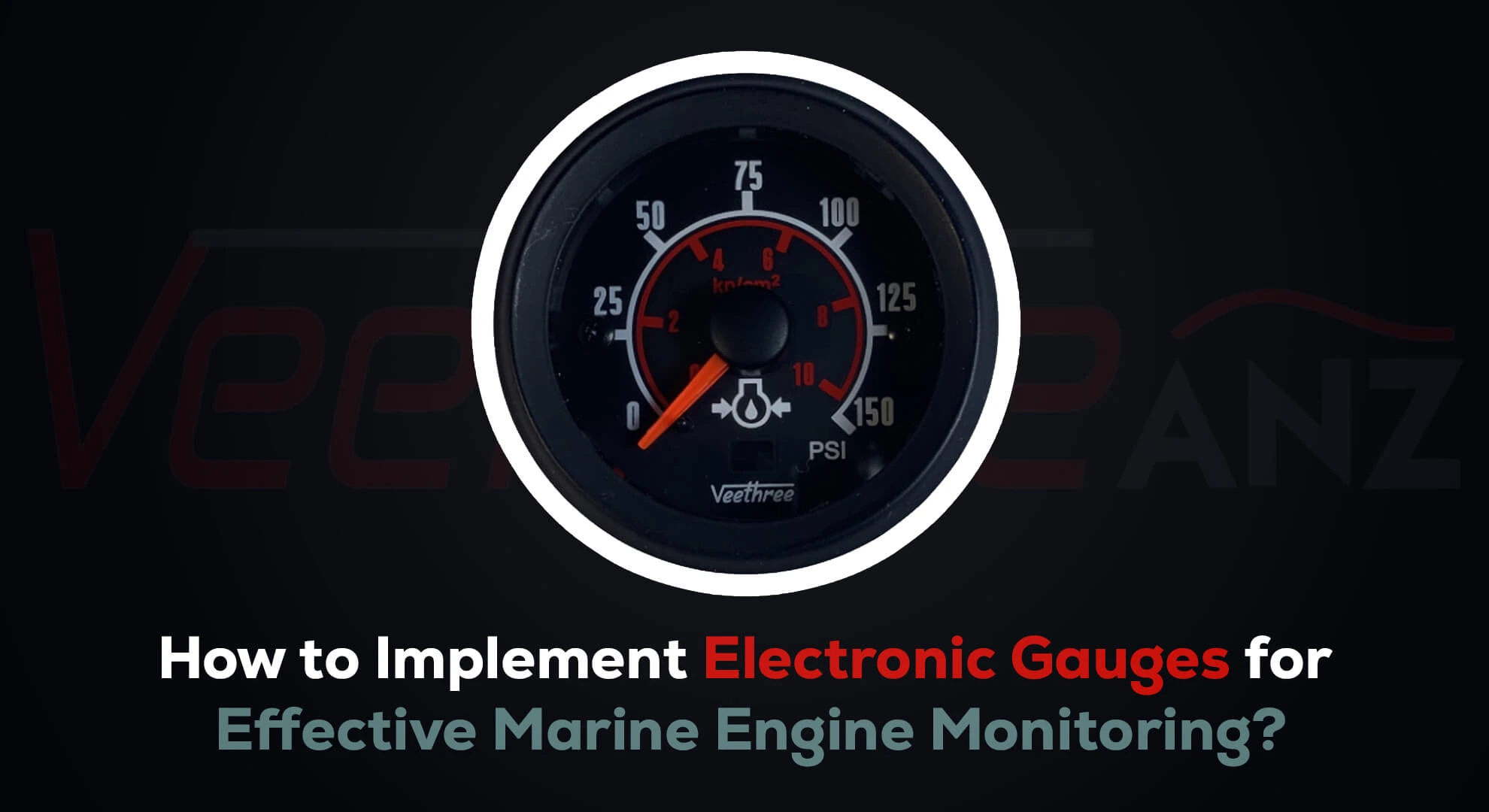
Why Electronic Gauges Are Essential for Marine Engine Monitoring?
Real-Time Data for Immediate Decision-Making
Electronic gauges provide instantaneous readings of key engine parameters such as temperature, oil pressure, RPM, and fuel levels. This real-time monitoring is crucial when operating in dynamic marine environments.
- Key Point: Quick access to accurate data means you can address issues immediately, reducing the risk of catastrophic engine failure.
Improved Accuracy and Consistency
Thanks to advanced sensor technology, electronic gauges deliver high precision with minimal deviation. This accuracy is particularly important for marine engines where even a slight miscalculation can lead to inefficiencies or damage.
- Key Point: High-precision readings ensure that you can trust the data, which is vital for scheduling timely maintenance and avoiding unexpected downtime.
Integration with Modern Marine Systems
Modern vessels often feature integrated monitoring systems. Electronic gauges can easily interface with these systems, providing a centralised dashboard that combines data from multiple sources.
- Key Point: Seamless integration simplifies monitoring and enhances overall system efficiency, allowing for comprehensive management of your vessel's performance.
Maintenance Tips for Long-Term Performance
Even the most advanced Electronic Gauges require proper care to ensure they continue functioning at peak efficiency. Below are some practical guidelines for maintaining your gauges, extending their lifespan, and preserving accurate readings in demanding marine conditions.
Regular Inspections
Saltwater, fluctuations in temperature, and constant vibrations can impact electrical connections and internal components. Schedule routine inspections to look for corrosion, loose wires, and physical damage.
- Why It Matters: Early detection of minor issues can prevent major failures, saving time and money on repairs.
Clean with Non-Abrasive Materials
Marine Guages environments can leave salt residue and grime on your gauges, which can affect visibility and performance. Use a soft cloth and mild cleaner to wipe away any buildup.
- Pro Tip: Avoid harsh chemicals that could damage the seals or displays. A gentle marine-safe solution is typically enough to keep gauges clear and functional.
Keep Connections Dry and Secure
Moisture is a common threat in marine operations. Ensure all wiring and connection points are properly sealed or protected from water intrusion.
- Why It Matters: A well-maintained electrical system reduces the risk of erratic readings or complete gauge failure.
Recalibrate as Recommended
Over time, sensors can drift from their original accuracy. Follow the manufacturer’s guidelines on calibration intervals to maintain consistent, precise readings.
- Pro Tip: Calibration is especially important for critical parameters like oil pressure or engine temperature, where small deviations can lead to big problems.
Firmware Updates (If Applicable)
Some modern electronic gauges come with digital interfaces that allow firmware updates. Stay informed about manufacturer-released updates that may improve functionality or fix bugs.
- Why It Matters: Keeping firmware current can enhance performance, add new features, and maintain long-term reliability.
Key Benefits of Adopting Electronic Gauges for Predictive Maintenance
By integrating electronic gauges into your vessel’s monitoring system, you’re making a strategic investment in efficiency, safety, and cost savings. Below are some notable advantages that come with upgrading your marine operations:
Reduced Downtime
Predictive maintenance strategies rely on accurate data to schedule repairs and part replacements before a failure occurs. Electronic gauges provide the precise measurements that make predictive maintenance possible, preventing unexpected breakdowns.
- Example: Tracking small changes in coolant temperature can alert you to a failing water pump, avoiding a mid-sea repair.
Improved Fuel Efficiency
Fuel costs are a significant operational expense in marine settings. With real-time data on fuel consumption and engine performance, operators can adjust speed, load, or route for optimal fuel usage.
- Why It Matters: Even small percentage improvements in fuel efficiency can lead to substantial cost savings over time.
Enhanced Crew Safety
Safety is paramount at sea. Electronic gauges detect issues like overheating engines or dwindling fuel levels, allowing the crew to act swiftly and minimise risks.
- Pro Tip: Incorporate alerts or alarms that notify crew members of abnormal readings, ensuring rapid response times.
Longer Equipment Lifespan
Consistent, accurate monitoring helps maintain your vessel’s engines and machinery within safe operational limits. Reducing stress on equipment extends its operational life, lowering overall maintenance costs.
- Why It Matters: Prolonging engine and machinery lifespan boosts return on investment for your vessel’s infrastructure.
Comprehensive Data Analysis
Many electronic gauges come equipped with logging features, enabling historical data tracking. Analysing this data helps identify patterns, pinpoint inefficiencies, and refine maintenance schedules.
- Why It Matters: Data-driven decisions take the guesswork out of vessel management, leading to strategic improvements over time.
Why These Gauges Suit New Zealand’s Marine Environment?
New Zealand waters are known for their changing weather patterns and varied marine conditions. Electronic Gauges are built to handle these challenges, offering the following region-specific benefits:
- Corrosion Resistance: Marine environments can be harsh, but marine-grade electronic gauges resist saltwater corrosion and constant moisture.
- Adaptability: Temperature fluctuations and occasional turbulent seas are no match for gauges designed with durability in mind.
- Integration with Local Standards: Many electronic gauges meet or exceed New Zealand’s maritime regulations, ensuring compliance and easing inspections.
By choosing marine-rated electronic gauges, operators in New Zealand can navigate local waters confidently, knowing their monitoring tools stand up to environmental pressures.
Our Verdict
Implementing Electronic Gauges for marine engine monitoring is a smart step toward a more efficient, safe, and cost-effective operation. These gauges provide real-time, accurate data essential for predictive maintenance, allowing you to spot potential problems early and avoid unexpected downtime. From streamlining operations to enhancing crew safety, they offer a holistic solution to the challenges of modern marine operations.
For New Zealand’s diverse and sometimes unpredictable waters, the reliability and precision of electronic gauges can make all the difference. With robust construction and advanced features, these gauges seamlessly integrate into your vessel’s systems, offering a clear path to optimising performance.
So, if you’re serious about staying ahead in the marine industry, investing in electronic gauges is a decision you’ll thank yourself for when you’re out on the water, confident in every reading and every choice you make.


