
How Digital Gauges Improve Accuracy and Efficiency in Modern Industries?
August 16, 2024
How Accurate Marine Gauges Can Make Your Boating Experience Safer?
September 13, 2024
Imagine running an industrial process where every reading, every tiny measurement, could be the difference between success and failure.
How do you ensure you’re getting the right data at the right time? That’s where digital gauges come into play.
These advanced tools have become the backbone of monitoring systems across industries. From manufacturing plants to automotive operations, digital gauges provide the accuracy, precision, and efficiency needed to keep things running smoothly.
But why exactly are digital gauges so important, and what makes them better than traditional options?
Let’s dive into the benefits of digital gauges and explore why they are quickly becoming the preferred choice for modern industries.
What Are Digital Gauges and Why They Matter?
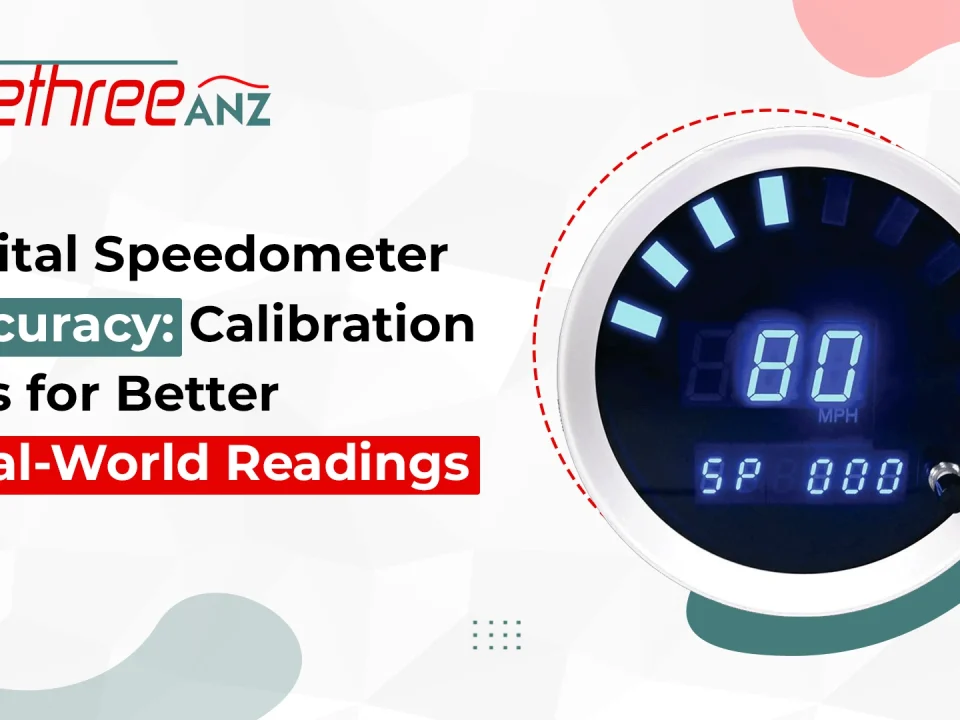
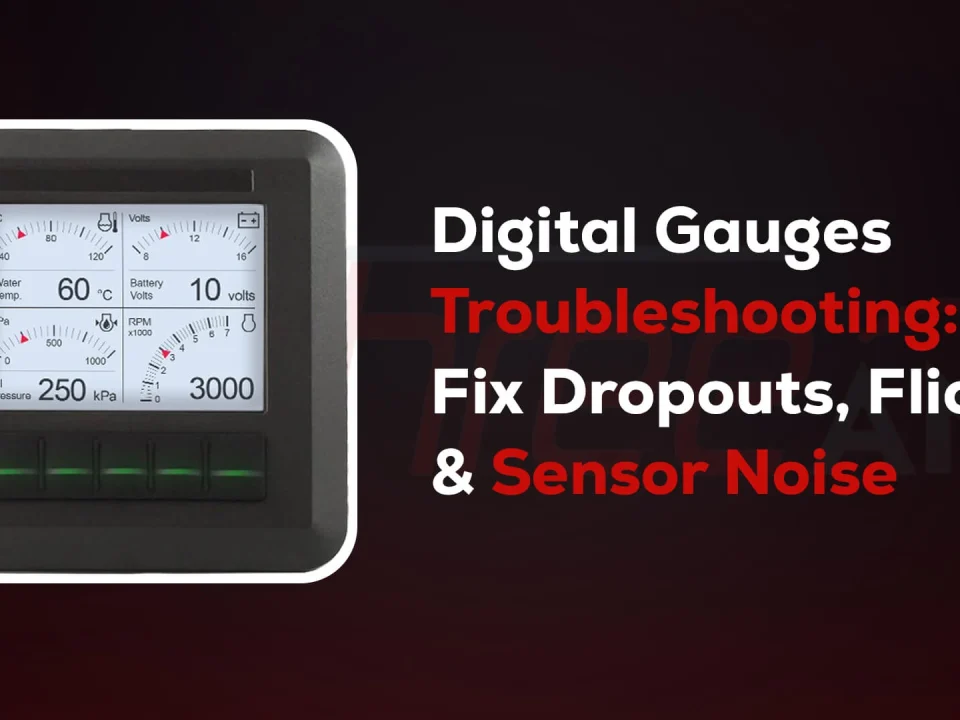
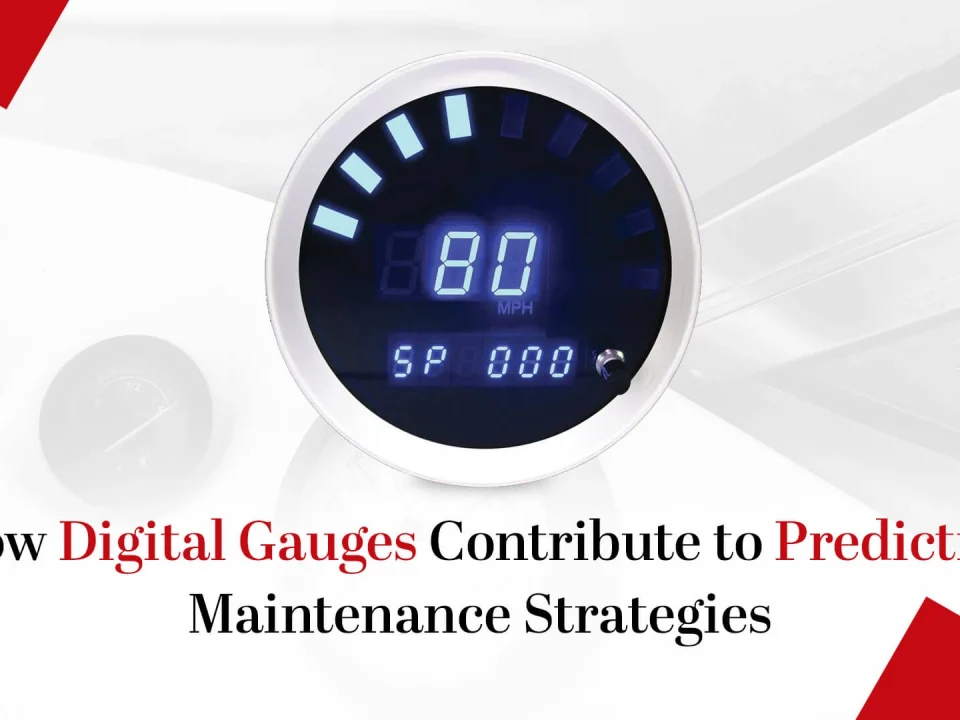
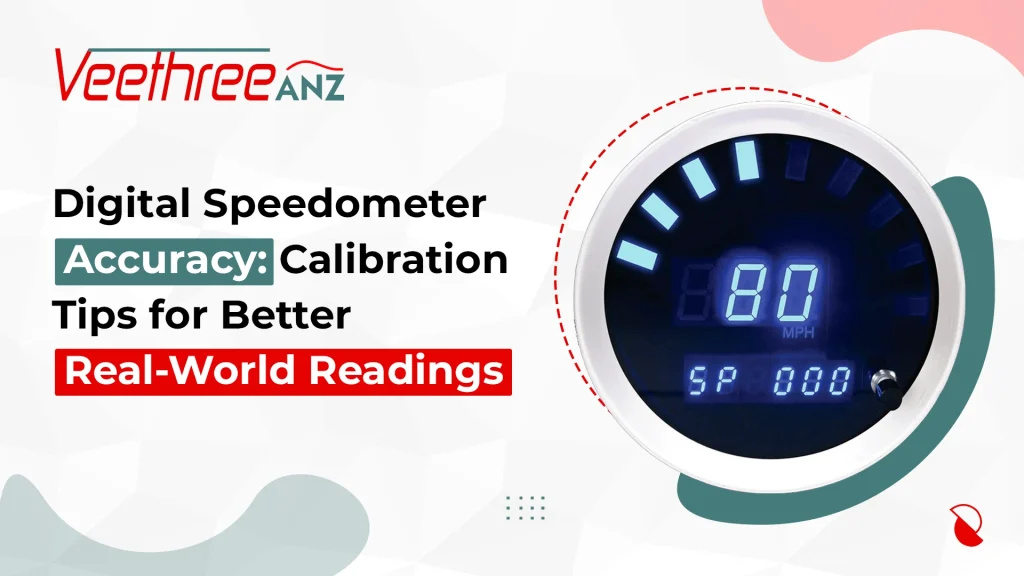
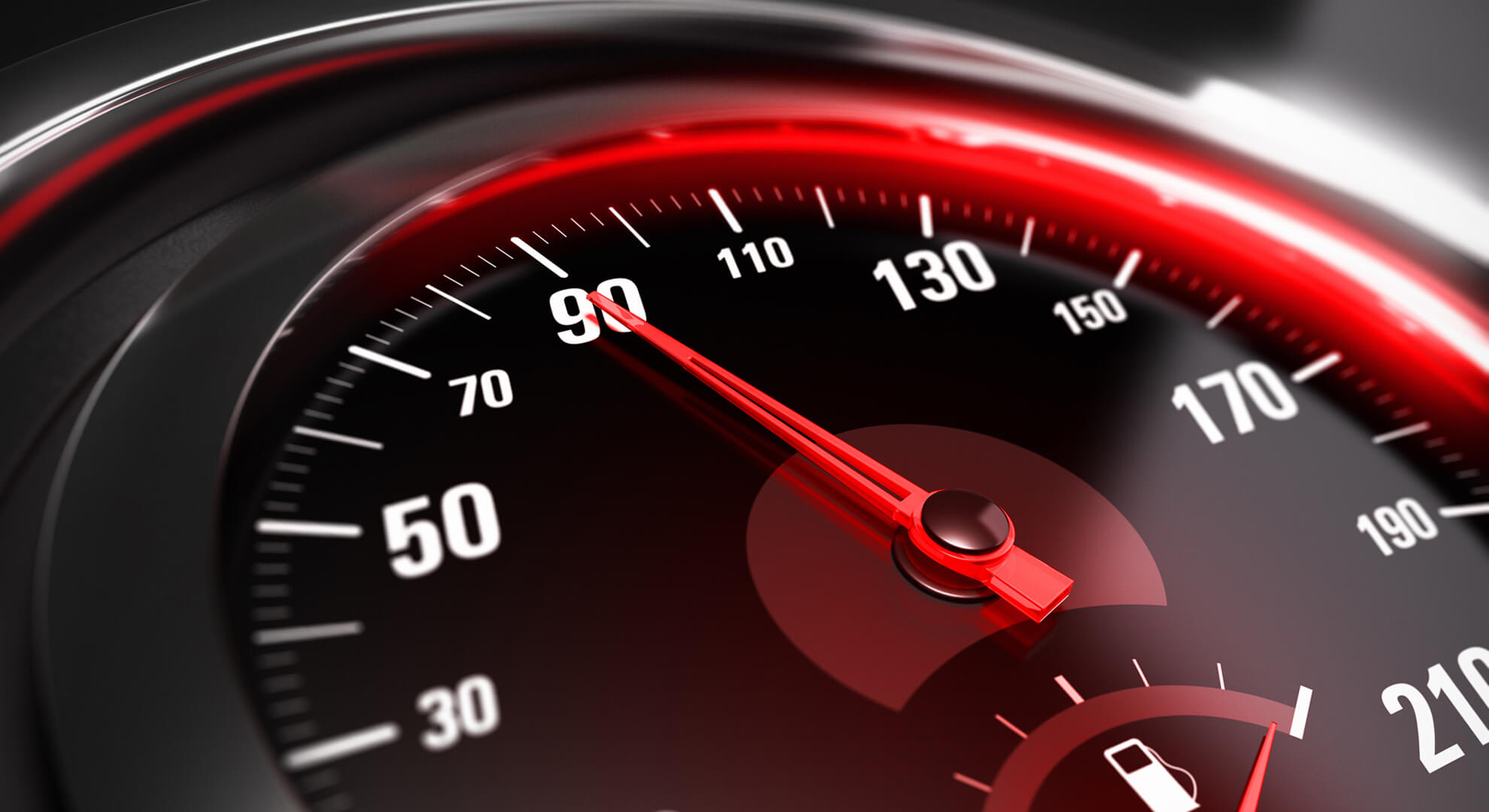
Digital gauges are instruments designed to measure and display critical data, such as pressure, temperature, speed, or voltage. Unlike analogue gauges, which use a needle to point to a value on a dial, digital gauges use electronic sensors to provide clear, precise readings in real time. This gives operators an accurate understanding of what’s happening in a system without having to interpret or estimate a reading. In industries where precision is crucial, digital gauges make all the difference.
Why They Matter:
- Clear and easy-to-read display: Digital gauges present data numerically, leaving no room for guesswork.
- Real-time updates: The readings on digital gauges update instantly, meaning there’s no lag between what’s happening and what you see.
- Improved decision-making: With reliable data at your fingertips, making informed decisions becomes easier and quicker.
How Digital Gauges Improve Accuracy and Precision!
When you’re working in a high-stakes industry like automotive, construction, or heavy machinery, precision isn’t just a luxury—it’s a necessity. Even a small error in measurements can cause delays, malfunctions, or costly repairs. Digital gauges are built to minimise these risks by offering exceptional accuracy.
Key Benefits of Accuracy:
- High-resolution measurements: Digital gauges provide readings down to fractions of a unit, allowing for detailed insights into system performance.
- Minimised human error: Because there’s no need to interpret needle positions, digital gauges eliminate the chances of misreading values. You get a precise number, every time.
- Calibration features: Many digital gauges come with built-in calibration options, helping you ensure that your readings remain accurate over time.
In industries where measurements can make or break an operation, this level of precision is essential. Whether it’s monitoring electrical currents, hydraulic pressure, or engine performance, digital gauges offer the level of accuracy required to maintain safety and efficiency.
Boosting Efficiency with Digital Gauges in Modern Industries
Efficiency is one of the biggest advantages that digital gauges bring to the table. By offering real-time data, seamless integration, and advanced features, these gauges allow industries to optimise their processes, save time, and reduce waste.
Real-Time Data at Your Fingertips
In the past, manual readings from analogue gauges were time-consuming and prone to error. With digital gauges, that’s a thing of the past. Operators can now receive real-time data on various parameters, helping them make swift adjustments when necessary. This real-time feedback loop not only boosts operational efficiency but also helps in maintaining the overall health of the system.
Seamless Integration
Modern industries often use automated systems, and digital gauges integrate easily with these technologies. Many digital gauges are designed to connect with data logging systems, computers, or control panels, making it simple to collect, store, and analyse data. This means less manual work for operators and more streamlined operations overall.
Advanced Features for Maximum Efficiency
Digital gauges also come with features like alarms, which alert you when a reading goes beyond a safe range, and data logging capabilities, which allow you to track performance over time. These advanced features enable industries to catch issues early, avoid costly downtime, and ensure consistent productivity.
Benefits of Using Digital Gauges Compared to Traditional Gauges
At this point, you might be wondering,
Why go digital? What makes digital gauges superior to traditional electrical gauges or analogue gauges?
While analogue gauges certainly have their place, digital gauges offer several distinct advantages that are hard to ignore.
Better Accuracy
Analog gauges rely on mechanical parts and dials, which can be affected by wear and tear over time. Digital gauges, on the other hand, use electronic sensors that are less prone to inaccuracies due to physical damage or environmental conditions.
Improved Readability
Let’s face it—reading a needle on a dial isn’t always easy, especially in low light or harsh conditions. Digital gauges give you an easy-to-read display with clear numerical values, making it simple to monitor your system.
Customisation and Features
Digital gauges come with programmable features, such as alarms and alerts, that aren’t typically available in analogue systems. These features can be customised to suit the specific needs of your operation, helping you stay on top of any changes or issues.
Durability
Many digital gauges are designed to withstand tough environments, such as extreme temperatures or exposure to moisture. This makes them ideal for industries like marine, construction, and heavy machinery.
Data Logging and Analysis
Unlike analogue gauges, digital gauges often come with data logging capabilities. This means you can track your readings over time, analyse trends, and make more informed decisions about your operations.
Choosing the Right Digital Gauges for Your Industry
With so many options available, how do you choose the right digital gauges for your industry? It’s essential to select gauges that meet the specific needs of your operation while ensuring durability and reliability. Here’s how you can narrow down your choices:
Understand Your Monitoring Needs
The first step is to identify what you need to measure. Are you monitoring pressure, temperature, electrical current, or something else? Different gauges are designed for different parameters, so knowing what data is critical to your operation will help you choose the right digital gauge.
Consider Environmental Factors
If you’re operating in harsh environments, such as marine settings or areas with high temperatures, you’ll need to ensure that your digital gauges are built to withstand these conditions. Look for features like water resistance, temperature tolerance, and vibration protection.
Integration with Other Systems
Modern industries rely on interconnected systems. Ensure that your digital gauges can easily integrate with your existing equipment, whether that’s data logging systems, control panels, or automated machinery. The ability to transfer data seamlessly will enhance efficiency.
Advanced Features
Think about whether your operation could benefit from the advanced features many digital gauges offer, such as alarms, auto-calibration, or wireless connectivity. These features can improve safety and efficiency, but they may also increase costs, so weigh the benefits against your budget.
Durability and Maintenance
Choose digital gauges that are designed for longevity. Regular maintenance is always important but opting for gauges that are durable and easy to maintain will save you time and money in the long run. Make sure they are resistant to wear and tear, especially if they’ll be exposed to harsh environments.
Why Transitioning to Digital Gauges Is a Smart Move?
At this point, it’s clear that digital gauges bring a wide range of benefits, from increased accuracy to improved operational efficiency.
But why should industries consider transitioning from
traditional electrical gauges
to digital gauges?Long-Term Cost Savings
While the upfront investment for digital gauges may be higher than traditional gauges, the long-term benefits outweigh the costs. Digital gauges require less frequent calibration and maintenance, reducing downtime and repair expenses. Their enhanced accuracy also means fewer errors, which can save industries a significant amount of money in operational costs.
Increased Safety
In industries where safety is paramount, the real-time data provided by digital gauges can be a lifesaver. When dealing with systems that operate under pressure or at high temperatures, having precise, instant feedback can prevent accidents and breakdowns. Built-in alarms alert operators when readings go beyond safe parameters, allowing for immediate corrective action.
Better Decision Making
Data is at the heart of any successful operation, and digital gauges make it easier to collect, store, and analyse that data. With the ability to log readings over time, industries can identify trends, optimise their processes, and make better-informed decisions. This level of insight is difficult to achieve with analogue or basic electrical gauges.
Sustainability
For industries focused on sustainability, digital gauges offer advantages in monitoring resource usage. Whether it’s tracking energy consumption or optimising fuel efficiency, the detailed data provided by digital gauges helps companies reduce waste and improve overall sustainability efforts.
Future-Proofing Your Operation
Industries are evolving, and so are the technologies they use. By adopting digital gauges now, you’re future proofing your operations to stay competitive. The integration capabilities of these gauges mean they can easily adapt as your systems grow more advanced, ensuring you’re prepared for the next wave of industrial innovation.
Our Verdict
Switching to digital gauges is not just about upgrading your equipment—it’s about improving the accuracy, safety, and efficiency of your entire operation.
From precise real-time data to advanced features like alarms and data logging, digital gauges provide the tools industries need to thrive in a competitive landscape. They help reduce human error, streamline processes, and ultimately save time and money.
Whether you’re in manufacturing, marine, or heavy machinery, adopting digital gauges is a smart move that will position your business for success.
If you’re looking to take your operation to the next level, digital gauges could be the game-changing tool you need. It’s time to leave guesswork behind and step into a future were precision and efficiency reign supreme.