
Understanding the Different Types of Marine Gauges and Their Uses
August 6, 2024
Discover How Digital Gauges Bring Efficiency to Modern Operations
September 9, 2024
In today’s fast-paced industrial world, precision and efficiency are more important than ever. Digital gauges have become essential tools in ensuring that modern industries operate smoothly and effectively. From manufacturing to automotive sectors, digital gauges offer unparalleled accuracy and efficiency, setting new standards for performance monitoring.
Imagine running a manufacturing plant where every second counts. Even a minor deviation in measurements can lead to significant losses in time, resources, and money. Traditional analogy gauges have served industries well for decades, but as the demand for precision grows, digital gauges have taken centre stage.
These advanced instruments provide real-time, highly accurate readings, allowing industries to optimise their operations. In this article, we will delve into how digital gauges improve accuracy and efficiency, and why they are increasingly preferred over analogy gauges.
Overview of Digital Gauges
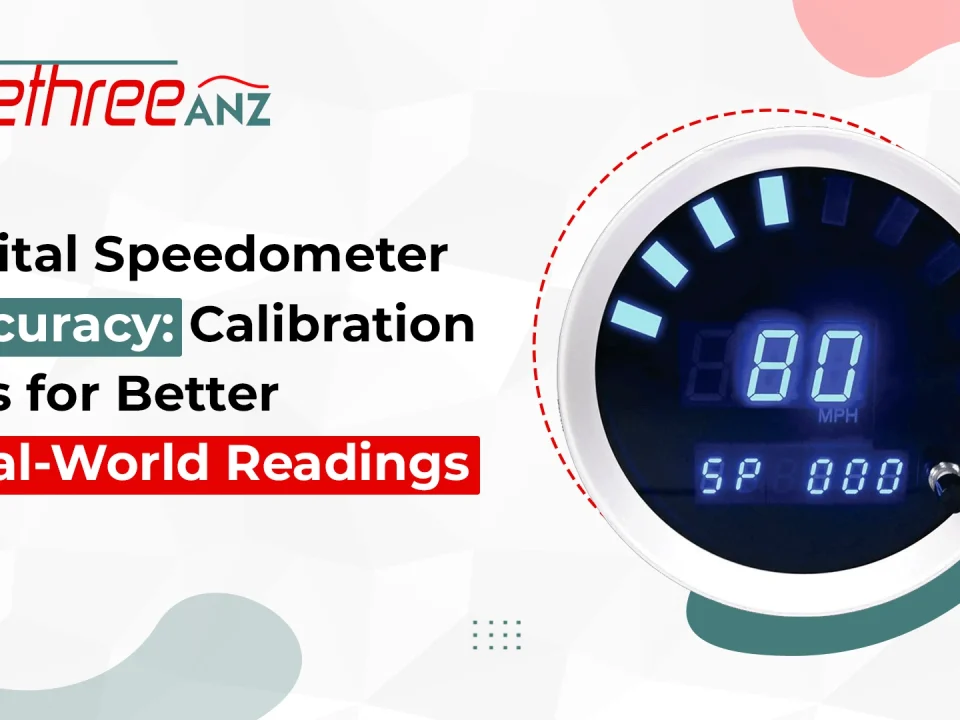
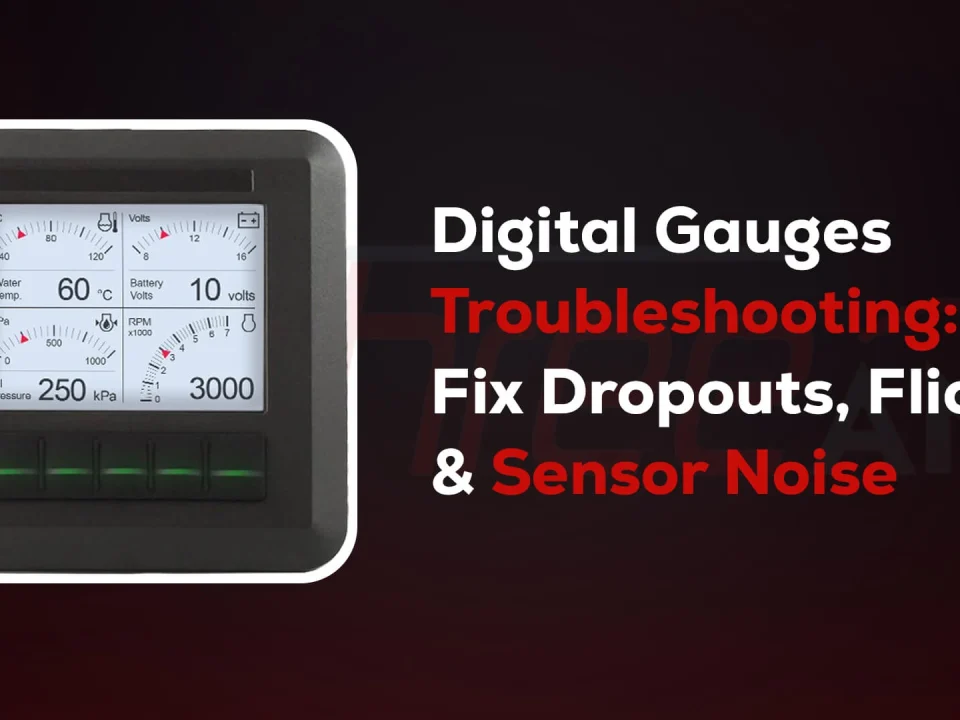
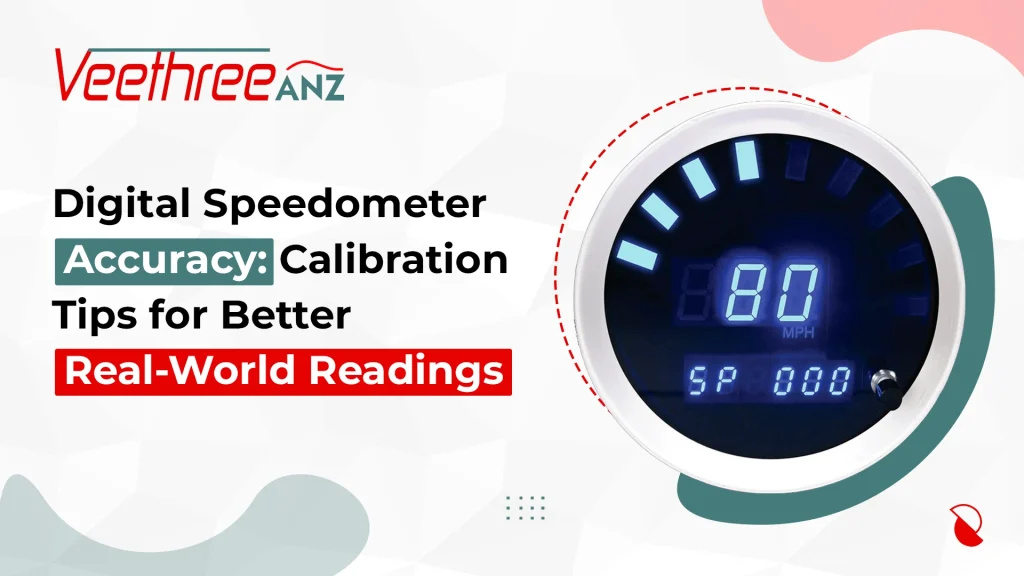
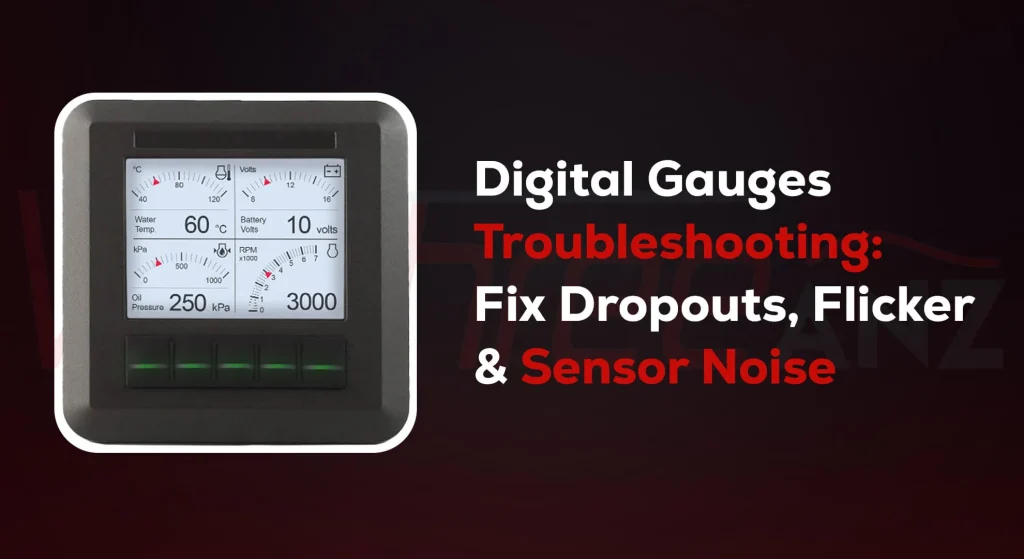
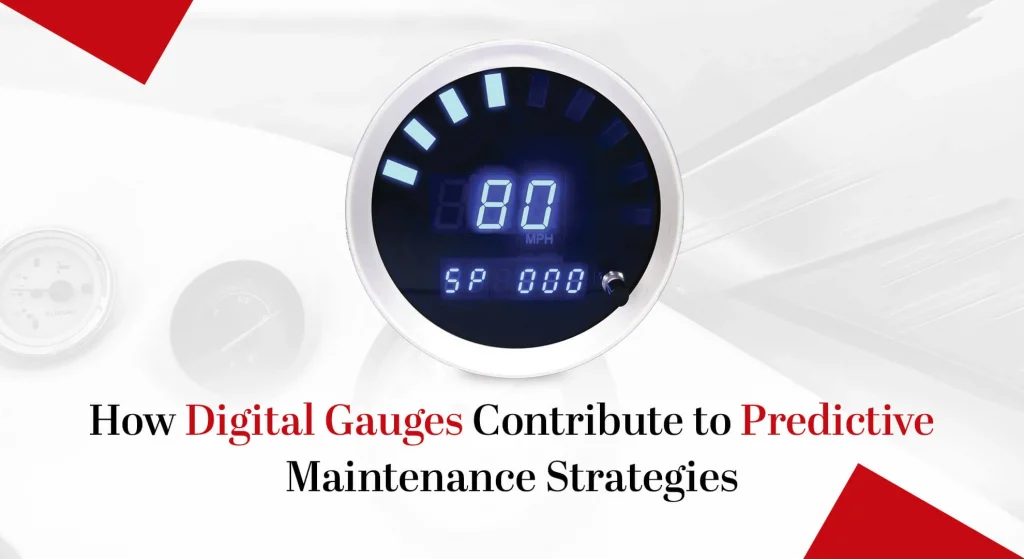
Digital gauges are instruments that measure various parameters—such as pressure, temperature, and speed—and display the results on an electronic screen. Unlike analogy gauges, which rely on mechanical movements and dials, digital gauges use sensors and microprocessors to convert physical measurements into digital signals. These signals are then displayed as precise numerical values on a screen, making it easier for operators to read and interpret the data.
Comparison Between Digital and Analog Gauges
To understand the superiority of digital gauges, it’s essential to compare them with their analogy counterparts.
Digital Gauges
- Accuracy: Digital gauges provide highly accurate readings, often down to the decimal point, which is crucial for precise measurements in industrial applications.
- Ease of Reading: The digital display eliminates the guesswork involved in reading analogy dials, reducing the risk of human error.
- Advanced Features: Many digital gauges come with additional features such as data logging, alarms, and connectivity to other digital systems, enhancing their functionality.
Analog Gauges
- Simplicity: Analog gauges are straightforward to use and have been trusted for their reliability in various applications.
- Durability: Analog gauges are often more durable in extreme environments, as they do not rely on electronic components.
- Cost-Effective: Generally, analogy gauges are less expensive than digital ones, making them a viable option for basic monitoring needs.
While analogy gauges still have their place in certain applications, digital gauges offer distinct advantages that make them more suitable for modern industrial environments.
How Digital Gauges Improve Accuracy
Accuracy is a critical factor in any industrial process. Whether it’s monitoring pressure in a pipeline or measuring temperature in a manufacturing process, precise data is essential for maintaining quality and safety standards.
Real-Time Data
Digital gauges offer real-time data, allowing operators to monitor conditions as they happen. This instant feedback is crucial for making quick adjustments to processes, ensuring that everything stays within the desired parameters.
Precise Measurements
Digital gauges excel in providing precise measurements, often down to a fraction of a unit. This level of accuracy is particularly important in industries where even the smallest deviation can lead to significant consequences, such as in pharmaceutical manufacturing or aerospace engineering.
Reduced Human Error
One of the main advantages of digital gauges is their ability to reduce human error. Unlike analogy gauges, where reading the dial requires interpretation, digital gauges display exact numbers. This clarity minimises the chance of misreading the data, leading to more accurate monitoring and decision-making.
How Digital Gauges Enhance Efficiency
In addition to improving accuracy, digital gauges also play a significant role in enhancing efficiency across various industries.
Faster Response Times
Digital gauges provide instant feedback, allowing operators to respond quickly to changes in the system. This rapid response capability is particularly important in high-speed industrial processes, where delays can lead to production losses or even equipment damage.
Data Integration
Modern digital gauges can be integrated with other digital systems, such as computers and control panels. This integration allows for seamless data transfer and analysis, enabling more efficient process management.
For example, in an automated manufacturing line, digital gauges can communicate directly with the control system, adjusting operations in real-time based on the readings.
Predictive Maintenance
Digital gauges can also contribute to predictive maintenance strategies. By continuously monitoring equipment performance, these gauges can identify trends and potential issues before they lead to breakdowns. This proactive approach reduces downtime and maintenance costs, improving overall efficiency.
Benefits of Using Digital Gauges in Modern Industries
The adoption of digital gauges in modern industries brings several key benefits:
Enhanced Precision
Digital gauges offer a level of precision that is unmatched by analogy gauges. This precision is critical in industries where exact measurements are necessary to ensure product quality and safety.
Increased Productivity
By providing real-time data and reducing the likelihood of errors, digital gauges help streamline industrial processes. This increased efficiency translates into higher productivity and, ultimately, greater profitability.
Flexibility and Customisation
Digital gauges can be customised to meet the specific needs of different industries. Whether it’s adding alarms for critical conditions or integrating with other systems, these gauges offer the flexibility required to optimise operations.
Long-Term Cost Savings
While digital gauges may have a higher upfront cost compared to analogy gauges, their long-term benefits—such as improved accuracy, efficiency, and reduced maintenance costs—make them a cost-effective investment.
Our Verdict
Digital gauges have revolutionised the way modern industries monitor and manage their processes. By providing unparalleled accuracy and efficiency, these advanced instruments have become indispensable tools in ensuring that operations run smoothly and effectively.
As industries continue to evolve, the role of digital gauges will only become more prominent, offering new opportunities for innovation and improvement. Whether you’re in manufacturing, automotive, or any other industry, investing in digital gauges is a smart move toward achieving greater precision and efficiency in your operations.
FAQs